Our paper discusses the potential benefits of managed shade trees in smallholder coffee production, focusing on a case study from Papua New Guinea (PNG). Historically, shade trees have been used in commercial coffee production to mimic the forest environment where coffee trees naturally thrive. However, recent trends towards unshaded monoculture coffee farming with high inputs have proven to be unsustainable for smallholders who lack the resources for intensive management.
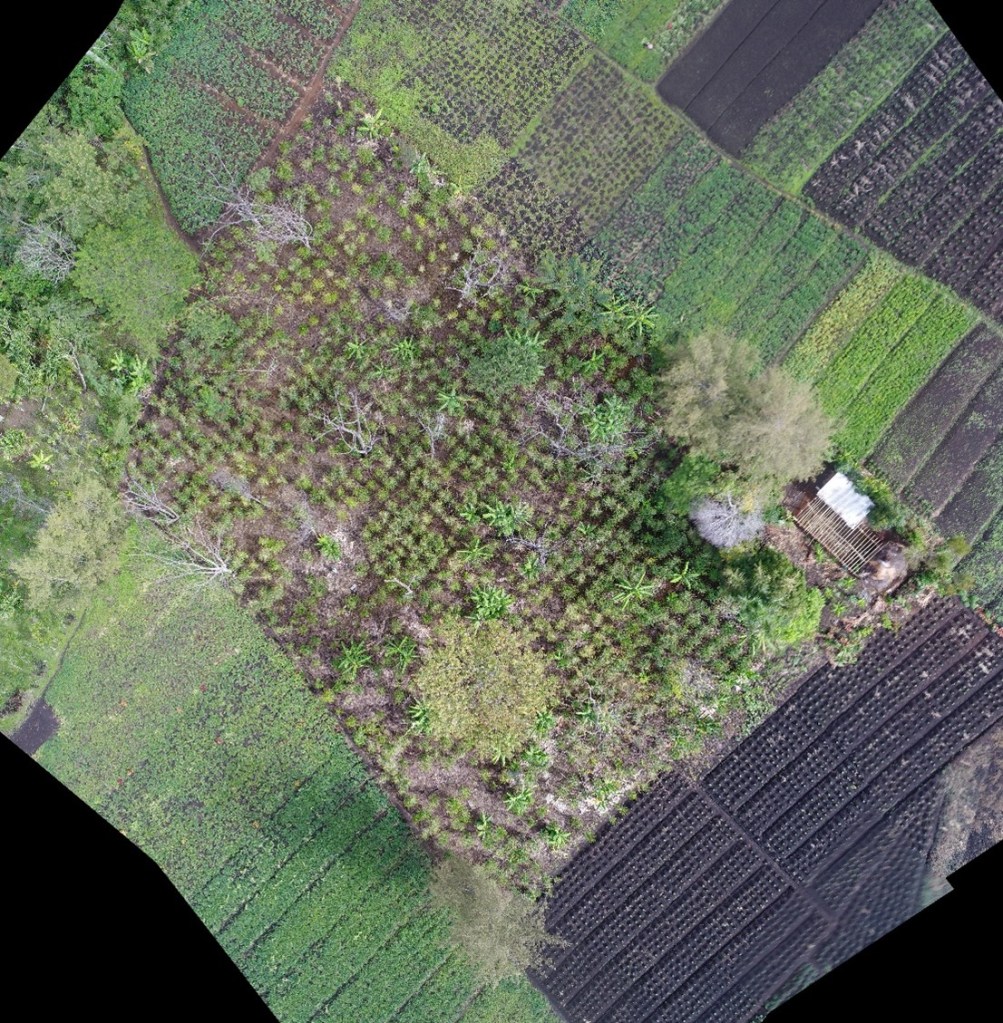
Small-scale coffee farming, which accounts for over 70% of global coffee production, relies on family labour and simple technologies. As demand for specialty and certified coffees grows, there is a push for more sustainable production methods for smallholder farmers. Agroforestry practices, including the use of shade trees, are gaining attention for their potential to enhance ecological, social, and economic aspects of coffee production systems.
In the paper we explore how shade trees can lead to labour efficiencies and socio-cultural benefits for smallholder coffee farmers in PNG. By summarizing existing literature on the advantages and disadvantages of shade trees in coffee production, we seek to identify areas where smallholders can save labour while maintaining or improving coffee quality.
While intensive, unshaded coffee production can lead to high yields in plantation settings, smallholder production often involves lower yields, fewer external inputs, and less labour. There are trade-offs between shaded and unshaded coffee production systems, with each presenting its own economic and environmental challenges.
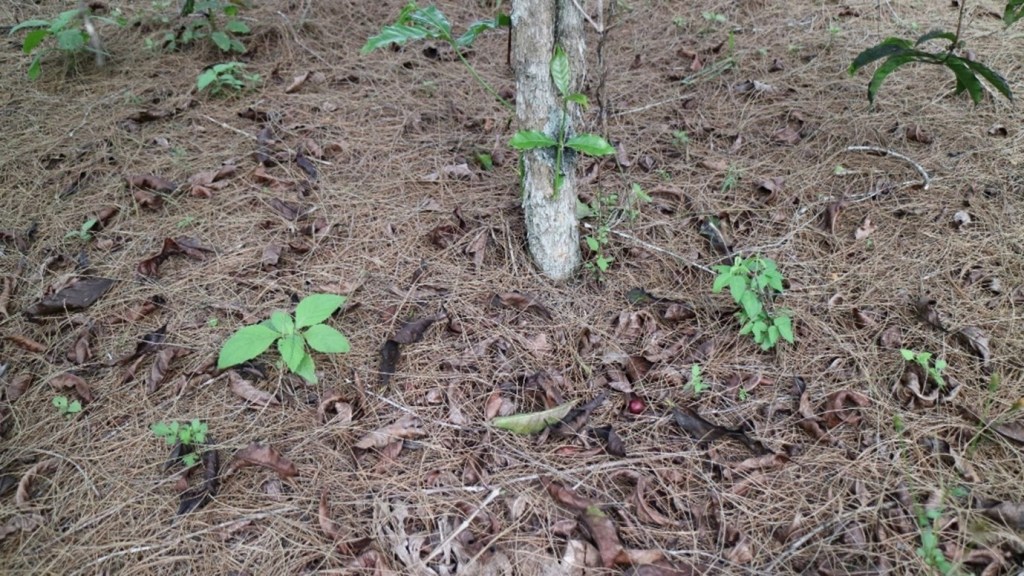
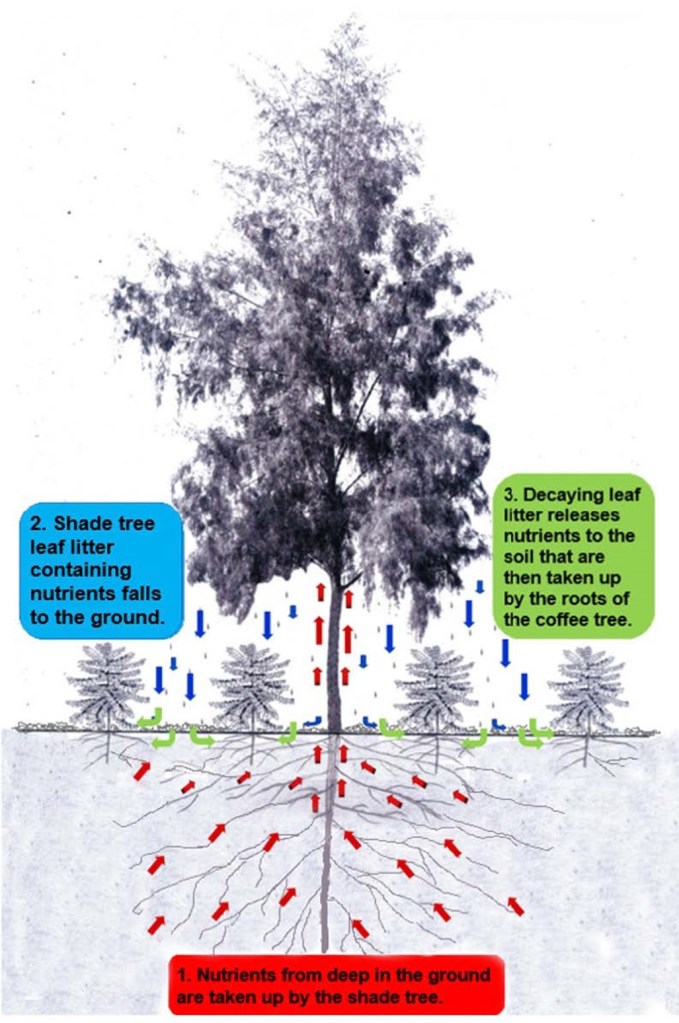
Ecosystem services provided by shade trees in coffee production are highlighted, including provisioning services (e.g., materials and energy), regulation and maintenance services (e.g., pest control and soil conservation), and socio-cultural services (e.g., cultural heritage and resilience to market fluctuations). These services contribute to the overall productivity, sustainability, and resilience of smallholder farming systems. For example, shaded coffee gardens in agroforestry systems offer material outputs like timber, biofuels and food, supporting both household consumption and income generation, and shade trees can increase soil organic matter and improve coffee tree nutrient availability.
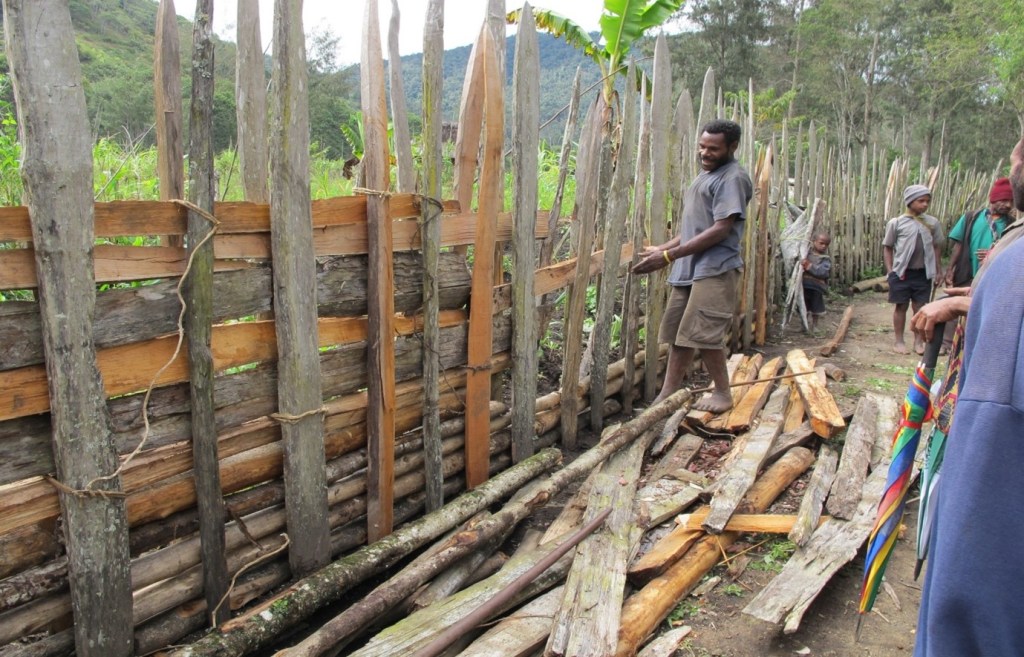
We also consider the socio-cultural benefits of coffee agroforestry systems, such as connecting communities to their land, preserving cultural knowledge and activities, and enhancing resilience to market changes and climate variability. Through a case study in PNG, the paper introduces the concept of labour efficiencies as a form of socio-cultural ecosystem service in smallholder coffee production.
In conclusion, the research emphasises the importance of shade trees in enhancing labour efficiencies and promoting sustainable and resilient livelihood systems for smallholder coffee farmers. By understanding the multifaceted benefits of shade trees in coffee production, stakeholders can work towards developing more sustainable practices that benefit both farmers and the environment.
Full publication:
Tilden, G.M., Aranka, J.N. and Curry, G.N. (2024). Ecosystem services in coffee agroforestry: their potential to improve labour efficiency amongst smallholder coffee producers. Agroforestry Systems 98, 383-400. https://doi.org/10.1007/s10457-023-00917-0
 Pacific Livelihoods